How Radar Calibration Services Help Maintain Accuracy and Reliability in Law Enforcement
Law enforcement officers rely on accurate equipment to make informed decisions, enforce traffic laws, and promote safer roads. Radar systems play an important role in these responsibilities, helping officers monitor vehicle speeds and respond to potential traffic hazards. However, even dependable equipment can develop accuracy issues over time, making routine testing and maintenance essential.
Radar calibration services help departments verify that their speed measurement equipment performs as expected. By identifying potential discrepancies and addressing technical problems, calibration supports reliable readings and helps officers use their equipment with greater confidence. Understanding how calibration works, why accuracy matters, and when professional attention may be necessary can help law enforcement agencies maintain effective operations.
Understanding How Radar Calibration Supports Accuracy
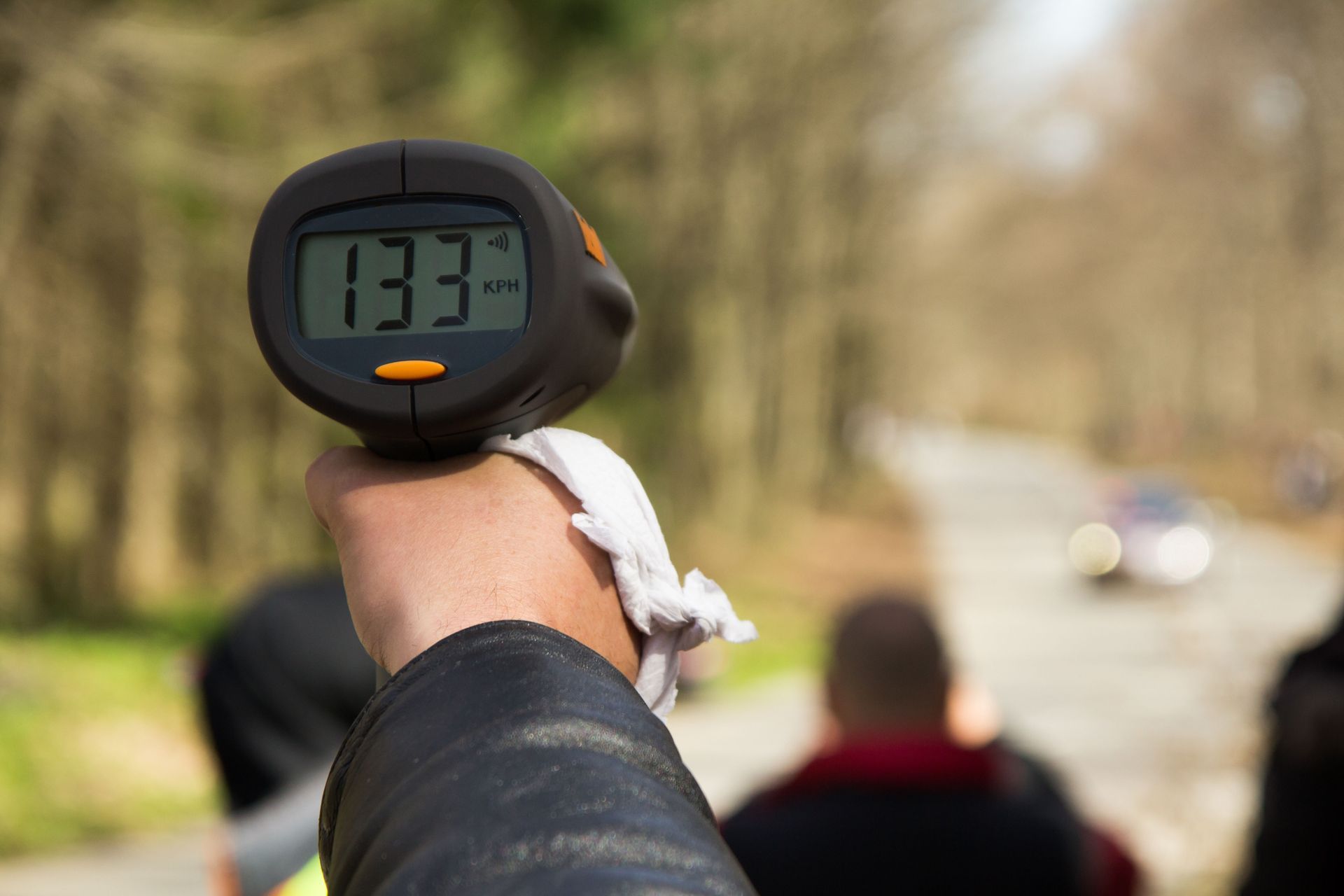
Radar equipment measures vehicle speed by detecting changes in the frequency of reflected radio waves. Officers use these readings to assess traffic conditions and determine whether a vehicle may be exceeding a posted speed limit. Because enforcement decisions can have legal consequences, the reliability of these measurements is especially important.
Over time, equipment performance may be affected by component wear, environmental conditions, physical impacts, or other technical issues. Radar calibration services help determine whether a system is measuring speed within its required tolerances. This process can reveal discrepancies that might otherwise go unnoticed during routine use.
Calibration also provides an opportunity to evaluate the equipment's overall operating condition. A qualified technician can examine relevant components, perform appropriate testing, and identify issues that require additional attention. These steps help departments understand whether their systems are functioning properly or need repairs before returning to regular duty.
Maintaining accurate equipment supports consistency across traffic enforcement activities. When departments establish dependable testing and maintenance procedures, officers can make decisions based on measurements that have been appropriately evaluated rather than relying solely on whether a device appears to work.
Recognizing Signs That Radar Equipment Needs Attention
Radar systems may continue powering on and displaying readings even when a technical problem affects their performance. For this reason, officers and fleet personnel should pay attention to unusual behavior instead of assuming that an operational display automatically indicates accurate measurements.
Inconsistent readings, unexpected fluctuations, error messages, or changes in how a device responds may indicate that further inspection is necessary. Physical damage, loose connections, and problems following equipment installation or vehicle maintenance can also justify a professional evaluation.
Routine inspections can help departments identify concerns before they interfere with traffic enforcement. Officers should follow manufacturer recommendations, departmental procedures, and established testing protocols. If a device produces questionable results, personnel should document the circumstances and follow agency policy for removing potentially unreliable equipment from service.
Professional radar calibration services can help investigate concerns that basic inspections cannot resolve. A technician can conduct appropriate diagnostic checks, determine whether calibration is necessary, and identify other technical problems that may require repair.
Establishing Consistent Equipment Testing Procedures
Reliable equipment maintenance begins with a clear testing process. Departments benefit from establishing consistent procedures that explain when radar units should be checked, which tests should be performed, and how results should be recorded. A standardized approach reduces the likelihood of important maintenance steps being overlooked.
Testing procedures should reflect manufacturer guidance, agency requirements, and applicable legal standards. Officers may perform routine operational checks according to departmental policy, while more technical evaluations may require specialized equipment and qualified personnel. Understanding the distinction helps agencies determine when a device needs professional attention.
Documentation is another essential part of an effective maintenance program. Records can include inspection findings, calibration results, repairs, equipment identification, and service dates. Maintaining these details allows supervisors to review equipment history, identify recurring concerns, and verify that required procedures have been completed.
When departments use radar calibration services as part of a structured maintenance schedule, they can make more informed decisions about equipment readiness. Rather than waiting for a noticeable problem, agencies can follow a proactive approach that supports dependable performance and helps identify developing issues before they become operational concerns.
Protecting the Integrity of Traffic Enforcement
Accurate speed measurements are important because traffic enforcement decisions can affect drivers, officers, and the broader community. When a reading is questioned, the reliability of the equipment and the procedures used to maintain it may become relevant to reviewing the circumstances. Proper maintenance helps departments demonstrate that equipment receives appropriate technical attention.
Calibration does not replace sound enforcement practices, officer training, or compliance with applicable laws. Instead, it supports these responsibilities by helping ensure that measurement equipment operates within its specified requirements. Officers must still interpret readings appropriately, follow departmental procedures, and document enforcement activities according to established standards.
The broader law enforcement equipment market reflects the importance of maintaining effective tools for public safety. According to Verified Market Research, the police and law enforcement equipment market was valued at $9.11 billion in 2024 and is forecast to reach $29.88 billion by 2031, representing a compound annual growth rate of 16% over that period. This projected expansion highlights the continuing demand for equipment that supports law enforcement operations.
Professional radar calibration services contribute to equipment accountability by providing technical evaluations that departments can incorporate into their maintenance records. When combined with appropriate training and documented procedures, these evaluations help agencies maintain a more consistent approach to equipment reliability and traffic enforcement.
Planning Maintenance Around Operational Demands
Law enforcement vehicles and equipment must remain available to support daily patrols, traffic monitoring, and other public safety responsibilities. Unexpected equipment problems can disrupt those activities, especially when a department has limited replacement units or relies heavily on a particular vehicle for traffic enforcement.
A planned maintenance schedule can help reduce avoidable disruptions. Supervisors can coordinate inspections around vehicle servicing, equipment installation, and other scheduled fleet activities. This approach creates opportunities to identify technical concerns without waiting for a device to malfunction during an operational assignment.
Departments should also consider the condition and service history of individual units when deciding which equipment needs attention. A recently installed system may require different checks than a unit that has experienced physical damage or repeated performance concerns.
Working with a qualified provider for radar calibration services gives departments access to specialized testing and technical knowledge. Professional support can help identify potential problems, determine whether adjustments or repairs are necessary, and establish whether a system is ready for continued use under the applicable requirements.
Choosing Qualified Technical Support
Selecting a calibration provider requires attention to technical competence, service capabilities, and familiarity with the equipment being evaluated. Departments should look for professionals who understand the specific radar systems in use and can follow the relevant manufacturer procedures and applicable standards.
Clear communication is also important. A service provider should be able to explain the work performed, describe any identified concerns, and provide documentation of the results. If a system fails testing or requires repairs, the department should understand what must happen before the equipment can be considered suitable for use again.
Agencies may also benefit from working with a provider that offers related equipment support. When radar systems operate alongside other law enforcement technologies, coordinated maintenance can simplify equipment management and help departments address connected technical needs.
Consistent access to radar calibration services can make equipment maintenance more manageable over time. By establishing a relationship with a qualified specialist, departments can plan service appointments, address technical questions, and maintain records that support ongoing equipment oversight.
Regular inspections, appropriate testing, professional maintenance, and thorough documentation all contribute to equipment reliability. Departments that prioritize these practices can better identify potential problems and make informed decisions about equipment readiness. Contact McLaggan Communications & Radar Services Inc to discuss your department's radar calibration needs and take the next step toward maintaining accurate, dependable law enforcement equipment.


Share On: